Aragorn

from

The Lord of the Rings

Decor Decor

Who is Aragorn?

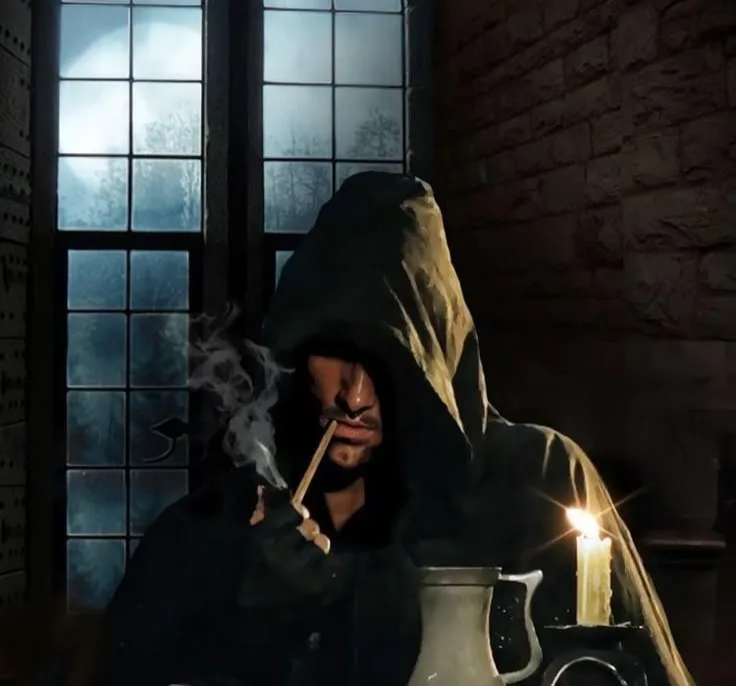
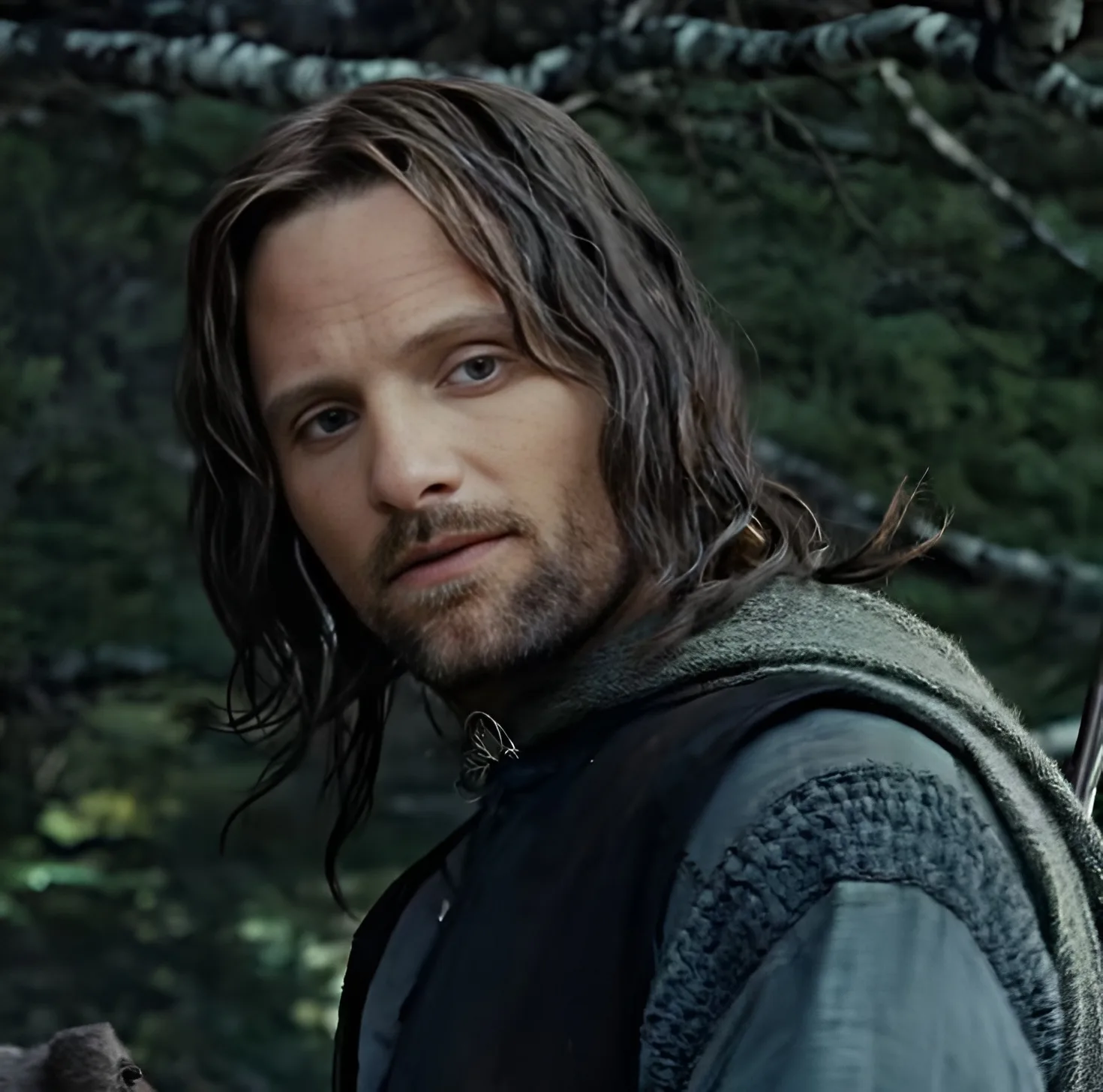
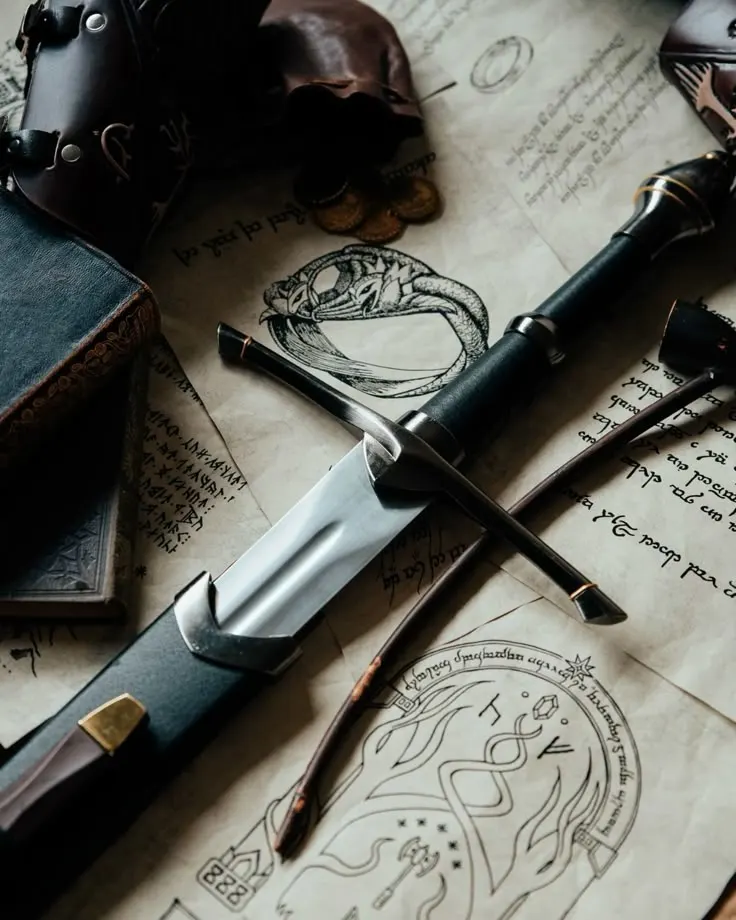
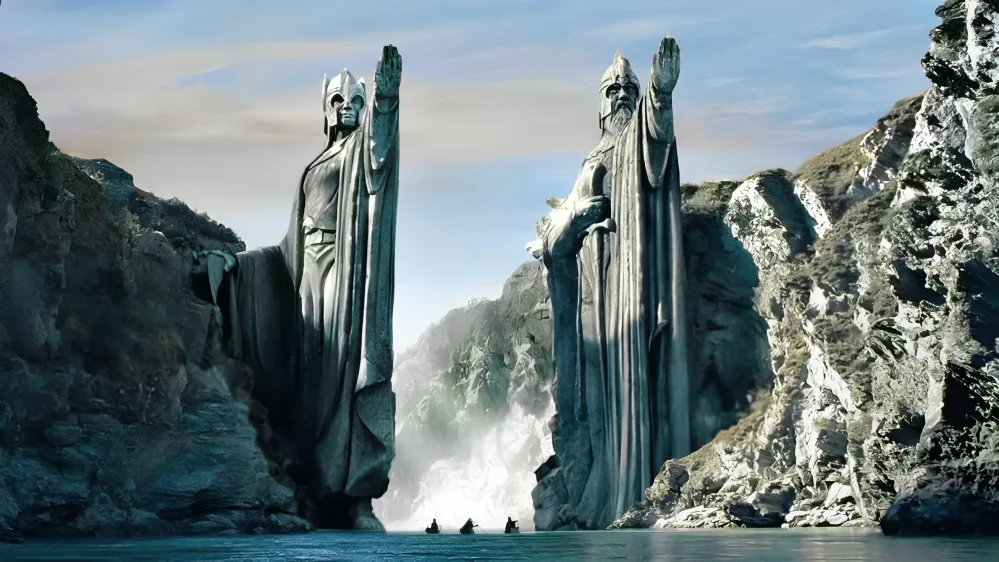
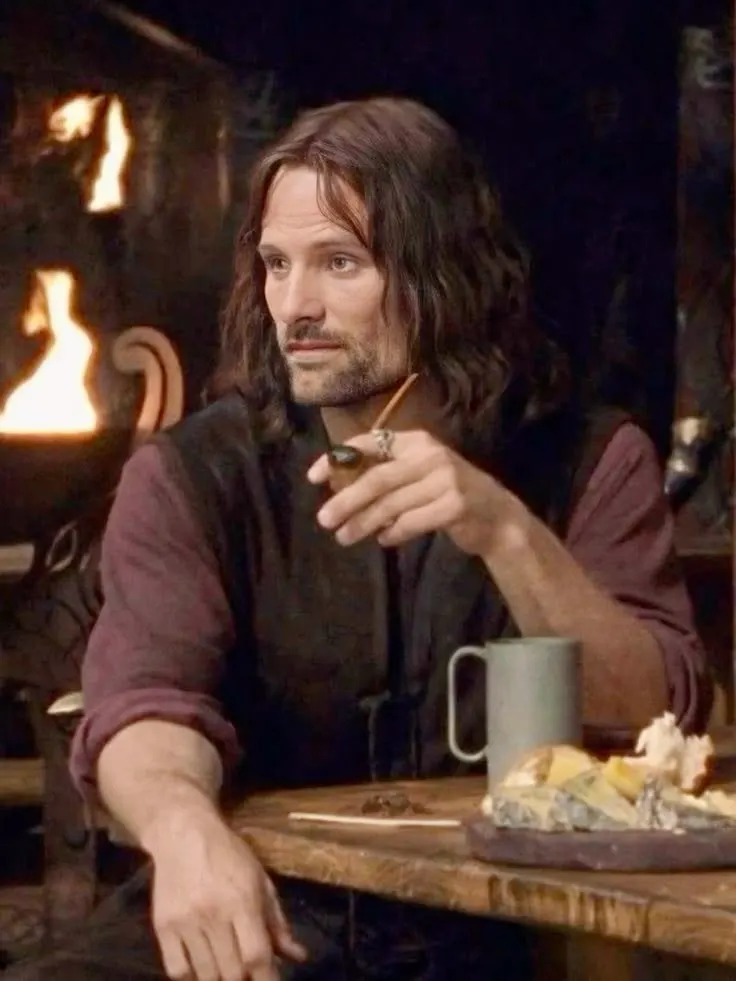
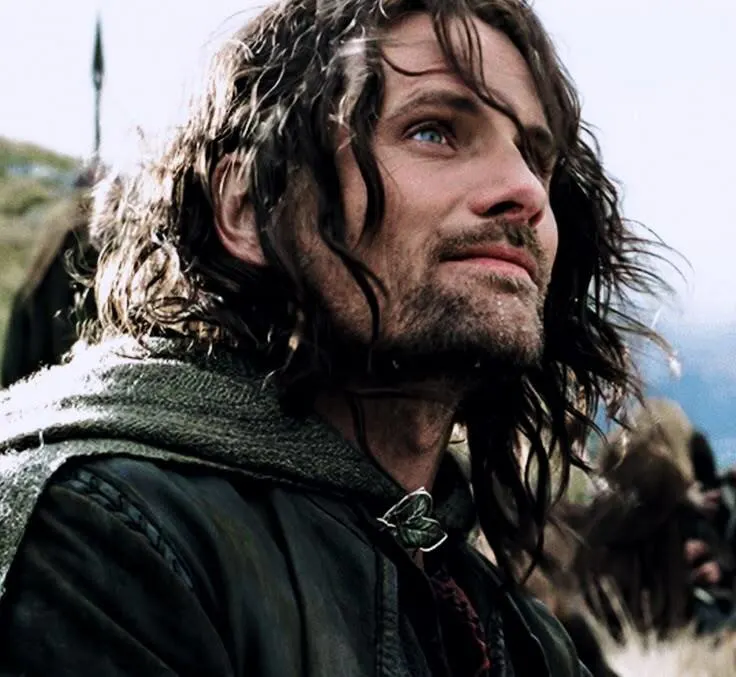
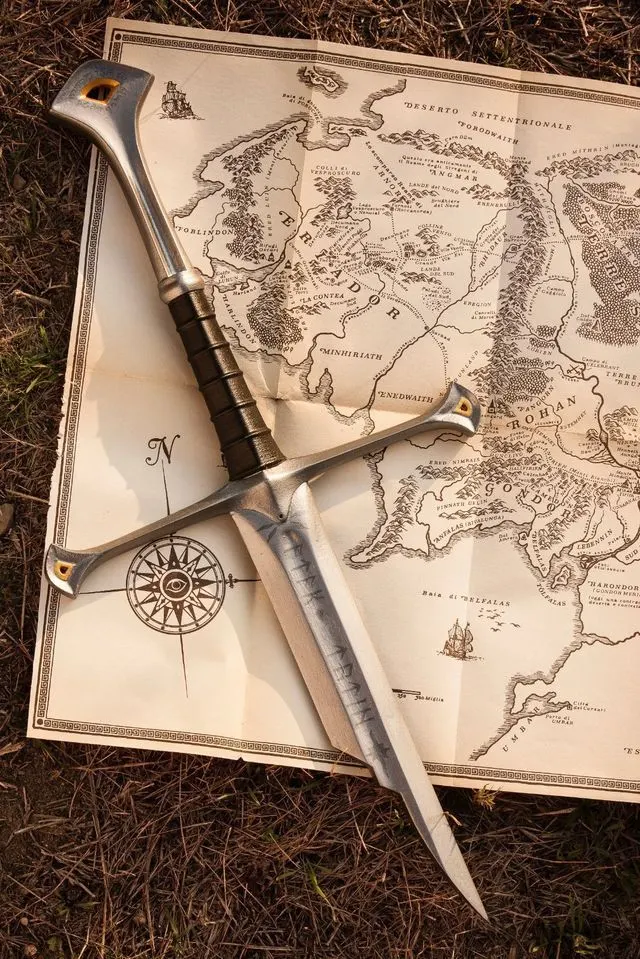
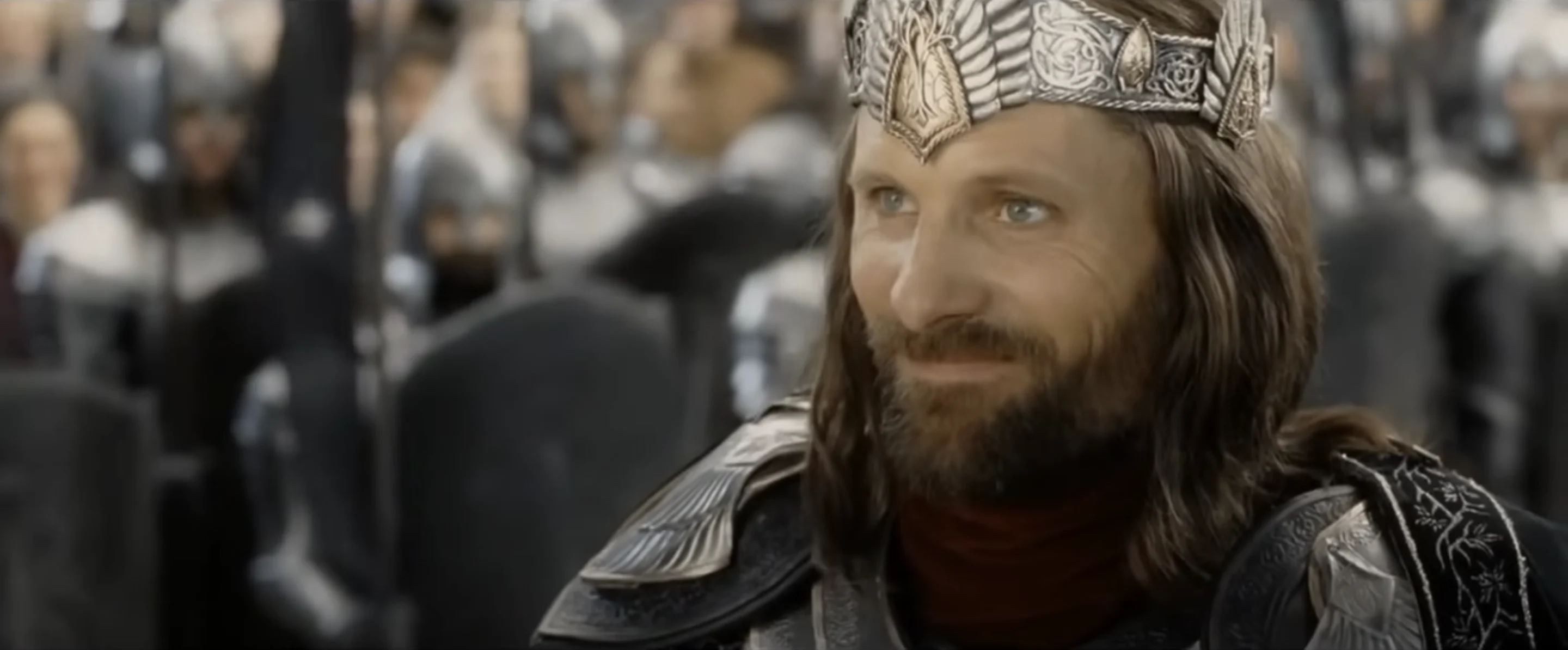
Aragorn II, son of Arathorn II and Gilraen, also known as Strider and Elessar, was the 16th and last Chieftain of the Dúnedain of the North; later crowned King Elessar Telcontar (March 1, 2931 of the Third Age - Fourth Age 120), the 26th King of Arnor, 35th King of Gondor, and first High King of Gondor and Arnor since the short reign of Isildur. Aragorn was a skilled ranger and warrior. As the heir of Isildur, he carried the shards of Narsil, which were reforged and renamed Andúril ('Flame of the West') during the War of the Ring.

Lineage and Heritage

Aragorn was a descendant of Elros Tar-Minyatur through the line of the Lords of Andúnië to Elendil, High King of Arnor and Gondor. Like all of the kings before him, he was Elrond's kin through the House of Elros. His ancestor Arvedui was wedded to Fíriel, descended from Anárion, who bore their son Aranarth, making Aragorn the last descendant of both Isildur and Anárion.

"He was Aragorn son of Arathorn, the nine and thirtieth heir in the right line from isildur, and yet more like elendil than any before him."

—The Silmarillion

Early Life and Secret Identity

He was born in 2931, and when he was only two years old, his father Arathorn was killed while pursuing Orcs. Aragorn was afterwards fostered in Rivendell by Elrond. At the request of his mother, his lineage was kept secret, as she feared he would be killed like his father and grandfather if his true identity as the descendant of Elendil and Heir of Isildur became known. Aragorn was renamed "Estel" and was not told about his heritage until 2951.

Revelation of True Identity

Elrond revealed to "Estel" his true name and ancestry when he was twenty, giving him the Ring of Barahir and the Shards of Narsil, but withholding the Sceptre of Annúminas from Aragorn until he "came of the right" to possess the item. It was also around this time that Aragorn met and fell in love with Arwen, Elrond's daughter, newly returned from her mother's homeland of Lothlórien where she had been visiting her grandmother Galadriel.

Leadership of the Dúnedain

Aragorn thereafter assumed his proper role as the sixteenth Chieftain of the Dúnedain and left the comforts of Rivendell for the wild, where he lived with the remainder of his people, the Rangers of the North, whose kingdom had been destroyed through division and the Angmar Wars centuries before.
Alliance with Gandalf

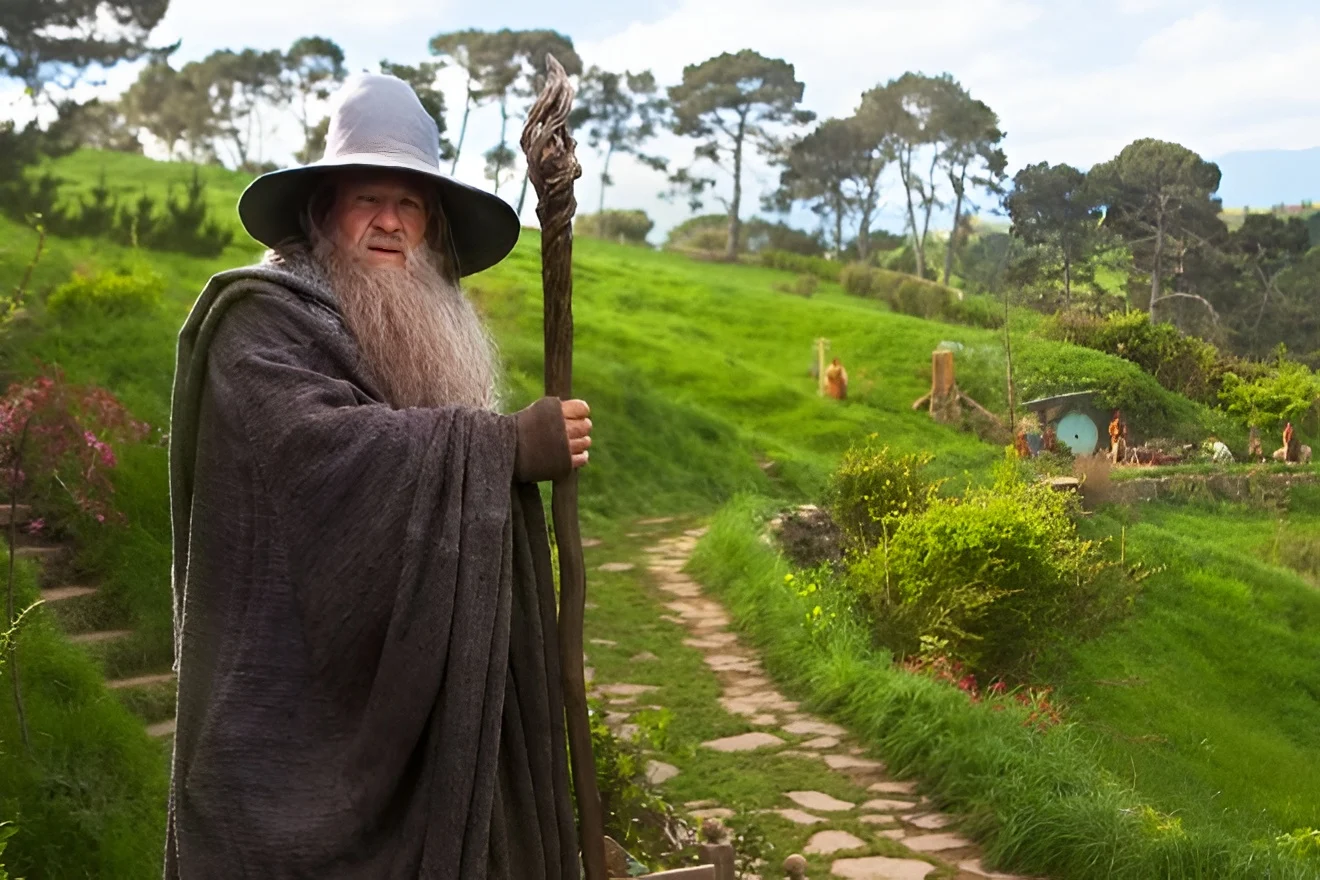
Aragorn met Gandalf the Grey in 2956 and they became close friends. Heeding the advice of Gandalf, Aragorn and the Rangers began to guard a small land known as the Shire, which was inhabited by the diminutive and agrarian Hobbits.

Adventures in Gondor and Rohan

From TA 2957 to TA 2980, Aragorn undertook great journeys, serving in the armies of King Thengel of Rohan, and Steward Ecthelion II of Gondor. Many of his tasks helped to raise morale in the West and counter the growing threat of Sauron and his allies, and he earned priceless experience which he would later put to use in the War of the Ring. Aragorn served these lords in disguise and his name in Gondor and Rohan during that time was Thorongil ("Eagle of the Star"). With a small squadron of ships from Gondor, he led an assault on the long-standing City of the Corsairs in 2980, burning many of the Corsairs' ships and personally overthrowing the Captain of the Haven during a battle upon the quays. After the victory at Umbar, "Thorongil" left Gondor.

Love and Destiny

Later in 2980, he visited Lothlórien, and there once again met Arwen. He gave her the heirloom of his House, the Ring of Barahir, and, on the hill of Cerin Amroth, Arwen pledged her hand to him in marriage, renouncing her Elvish lineage and accepting the Gift of Ilúvatar: Death.

Elrond withheld from Aragorn permission to marry his daughter until such a time as his foster son should be king of "both" Gondor and Arnor. As both Elrond and Aragorn knew, to marry a mortal, Arwen would be required to choose mortality, and thus deprive the deathless Elrond of his daughter while the world lasted. Elrond was also concerned for Arwen's own happiness, fearing that in the end she might find death (her own and that of her beloved) too difficult to bear.

The Hunt for Gollum

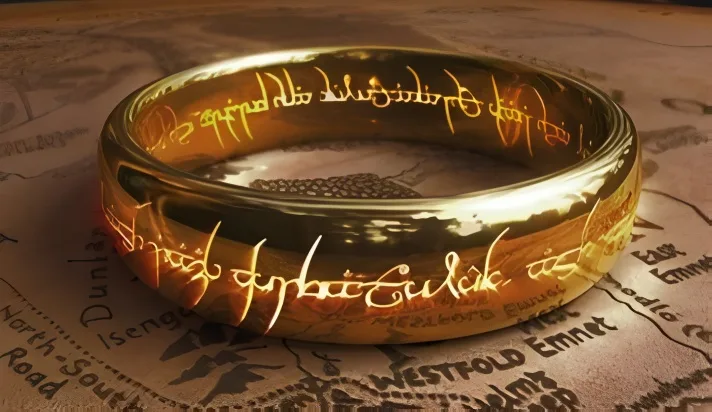
In TA 3009, Gandalf grew suspicious of the origin of the Ring belonging to the Hobbit Bilbo Baggins, which later turned out to be the One Ring, the key to the Dark Lord Sauron's power. Aragorn set a guard of Rangers to watch over the Shire. At the request of Gandalf, he journeyed into Rhovanion in search of Gollum, who had once possessed the Ring. He caught the creature in the Dead Marshes near Mordor, and brought him as a captive to Thranduil's Halls in Mirkwood, where Gandalf questioned him. Gollum, however, escaped some time later with the aid of Sauron's Orcs.

The Journey Continues…

That's all about the lore of Aragorn. To discover what happens next, watch The Lord of the Rings: Fellowship of the Ring movie or read the book to dive deeper into his incredible journey!

Count Olaf

from

A Series of Unfortunate Events

Decor Decor

The Archenemy of the Baudelaires

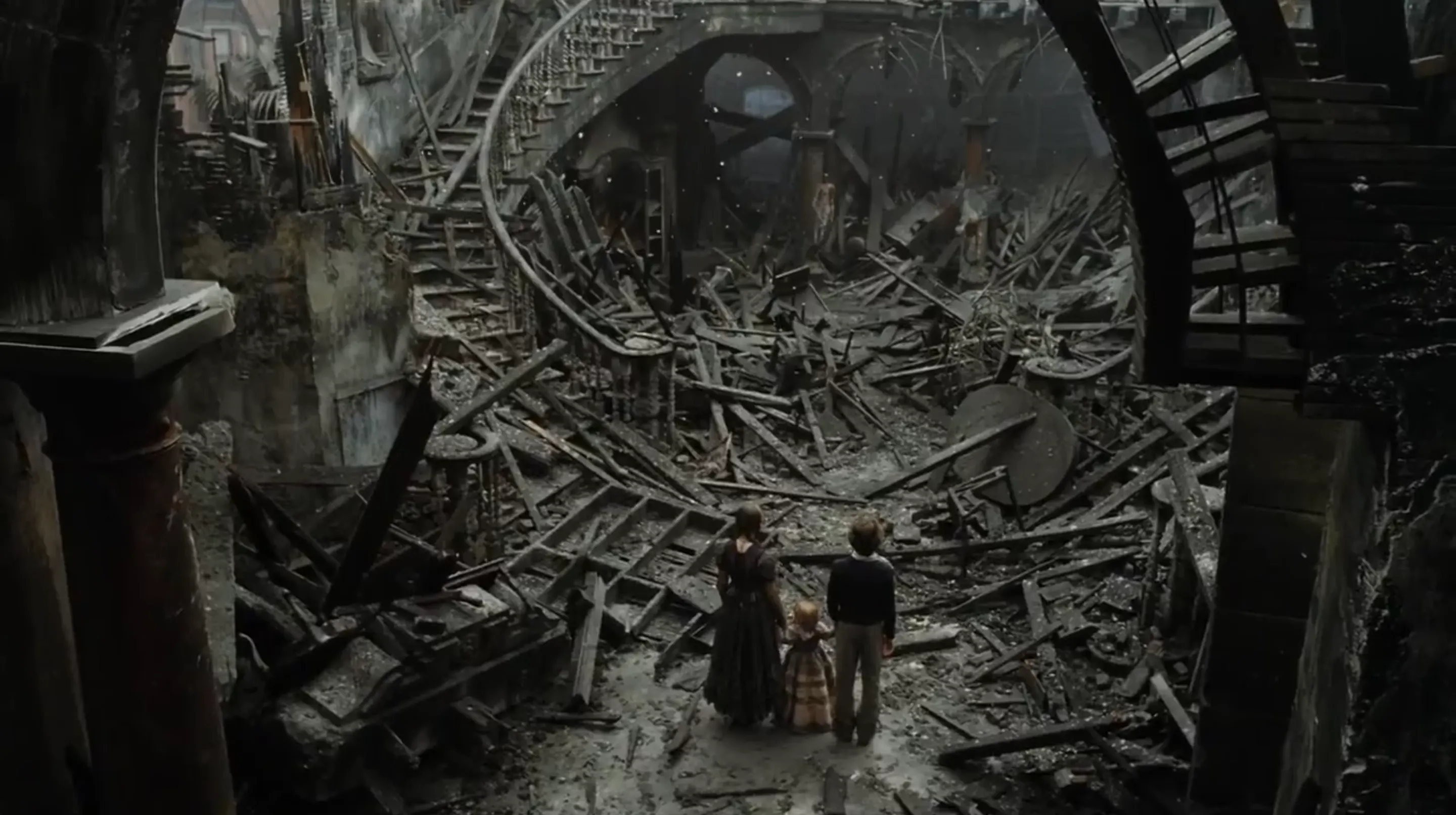
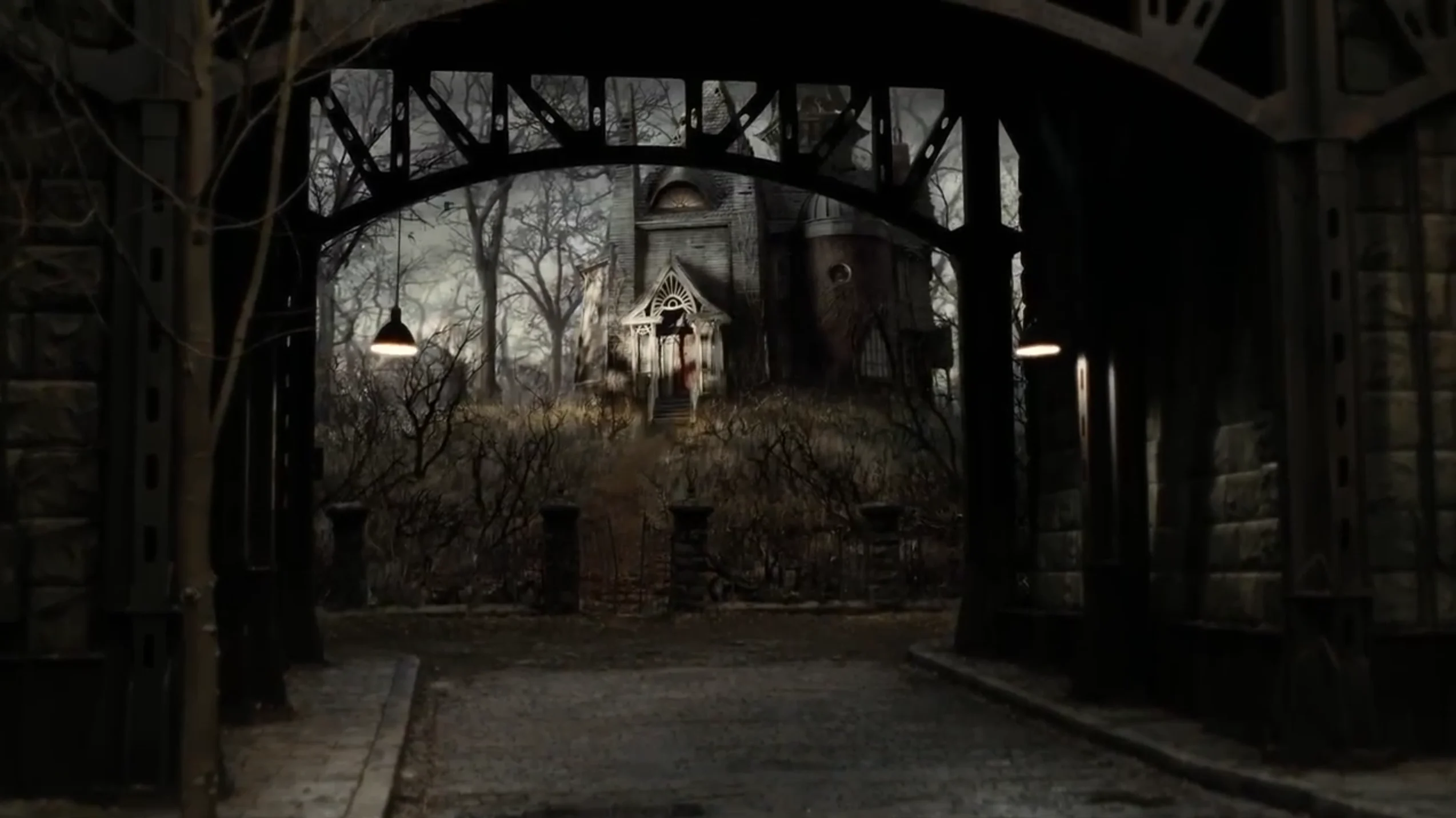
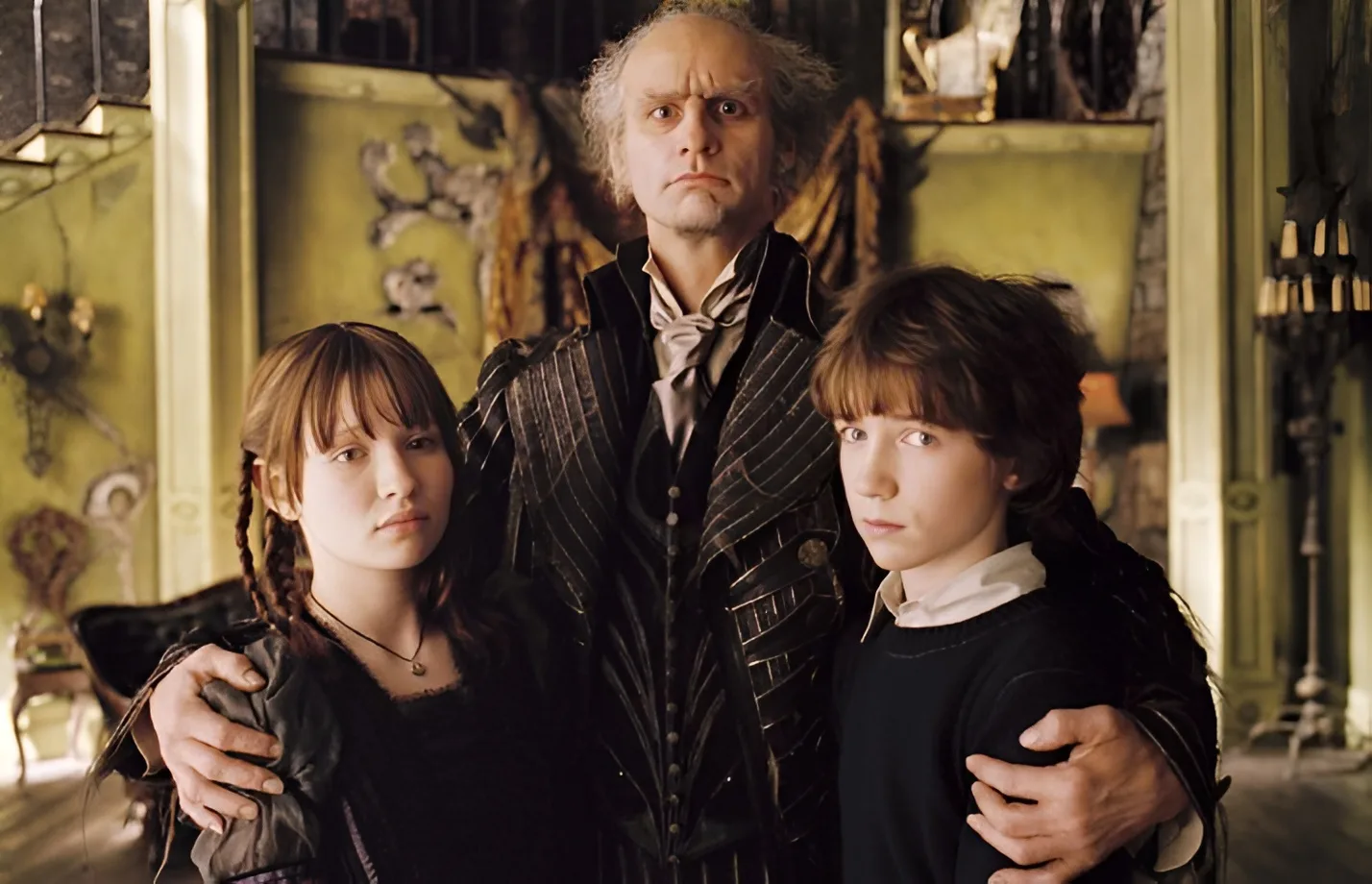
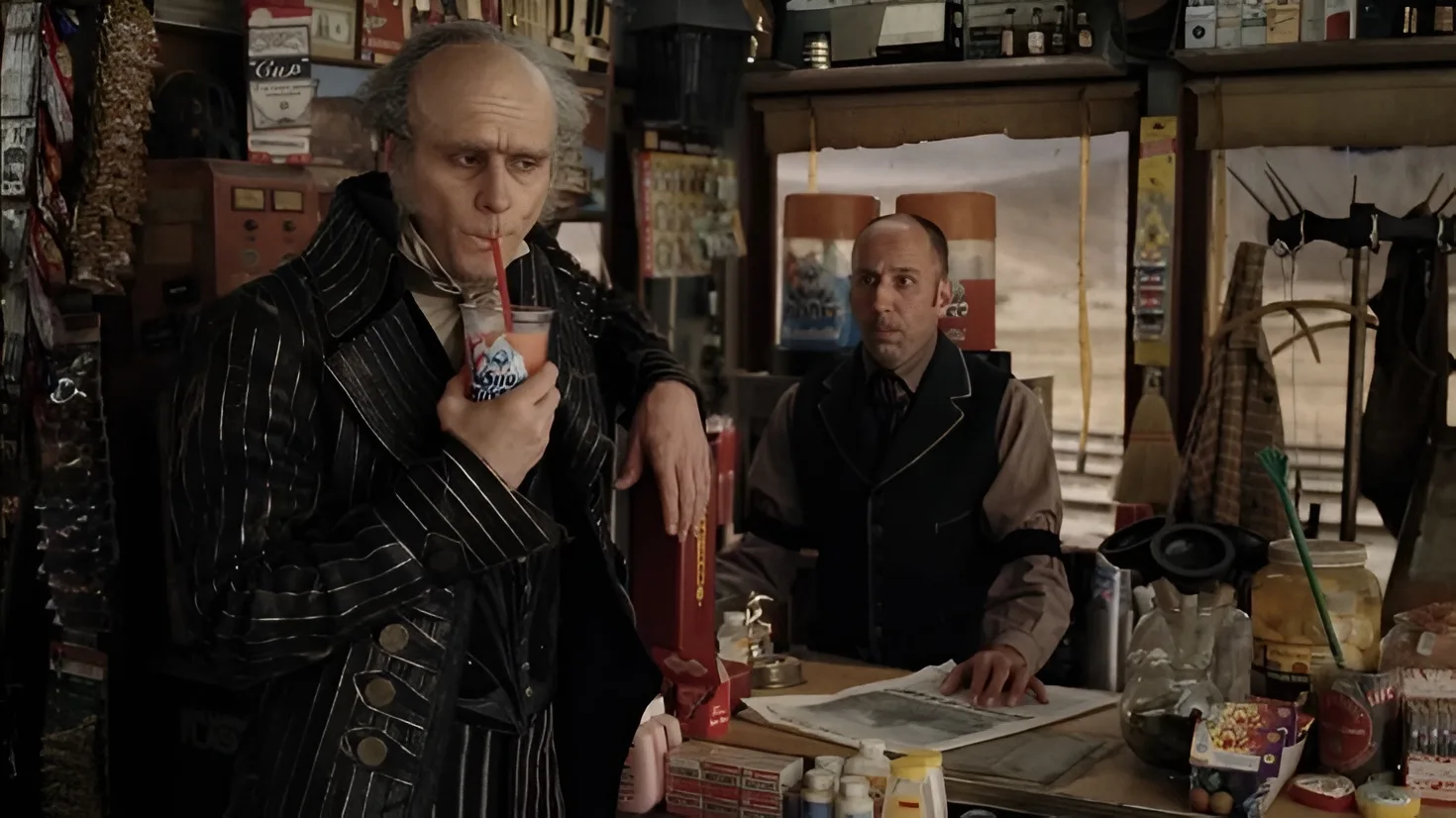
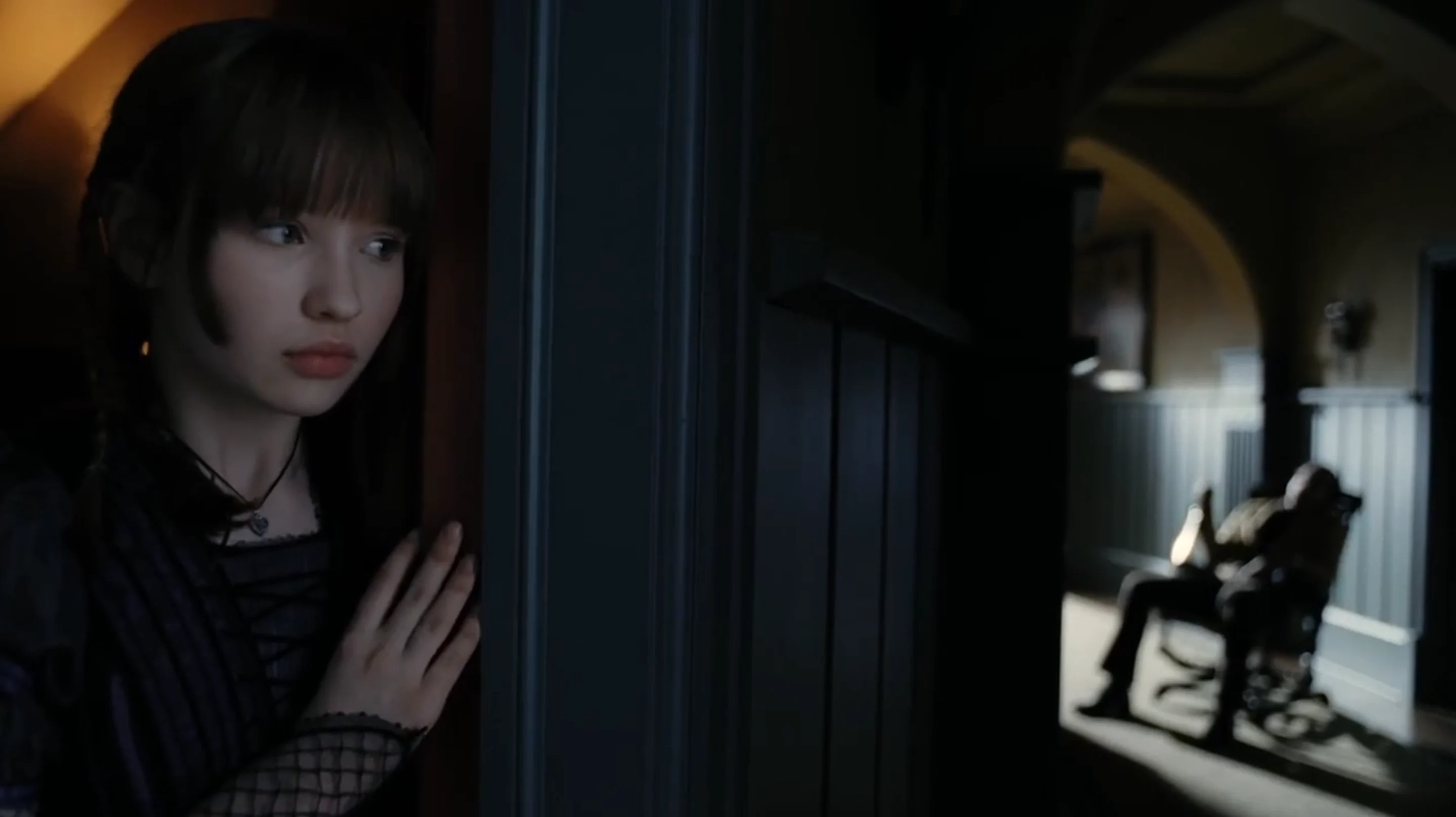
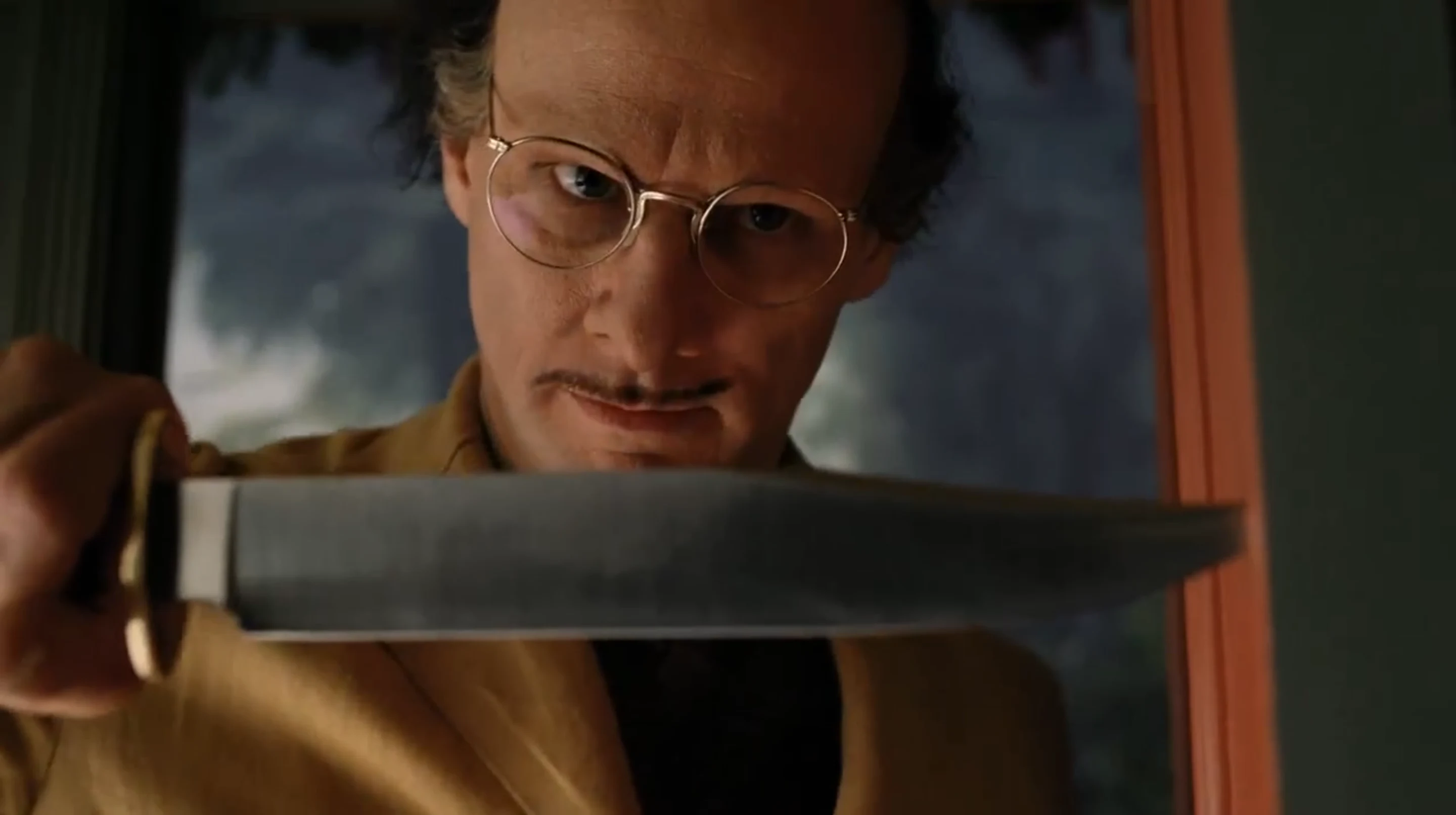
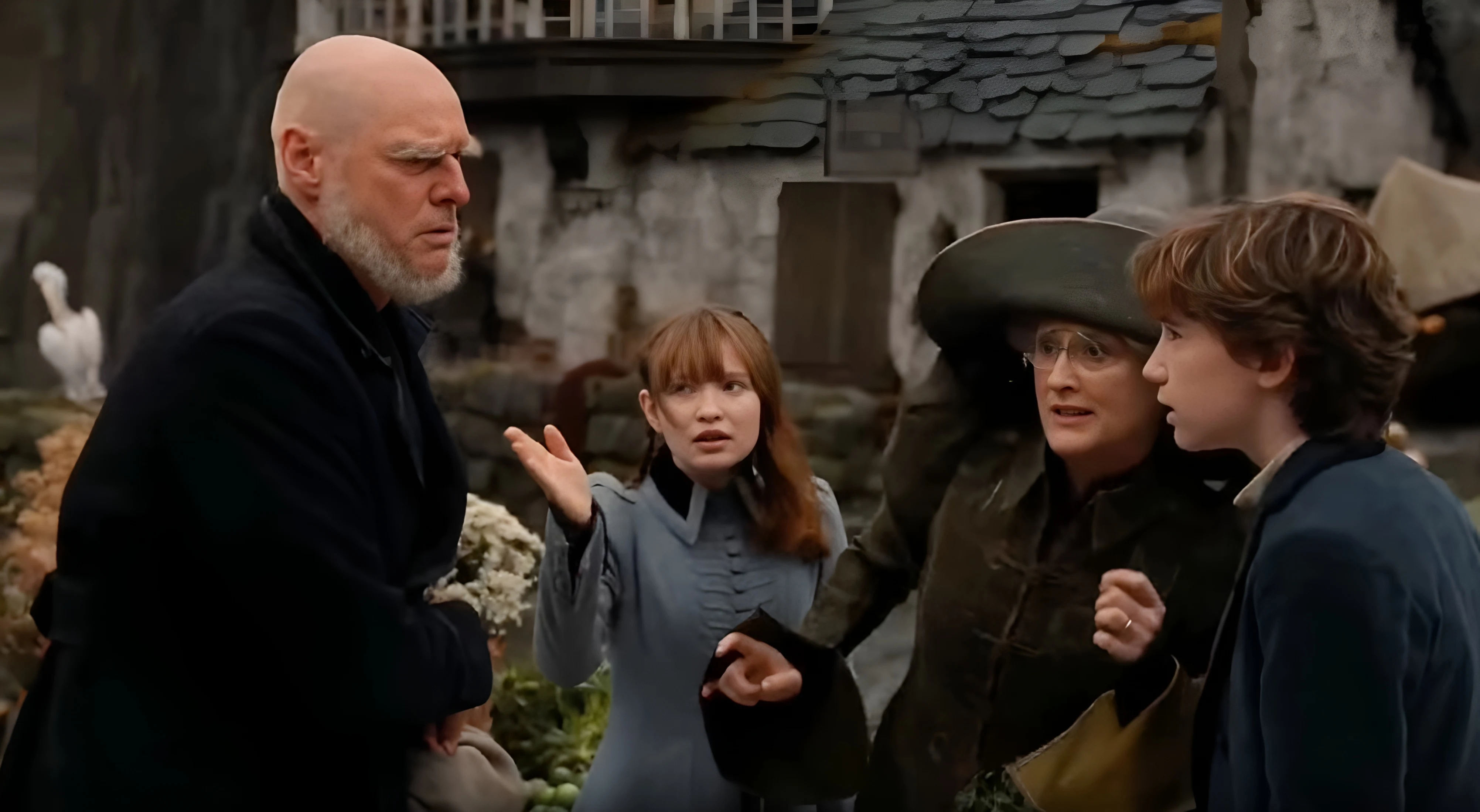
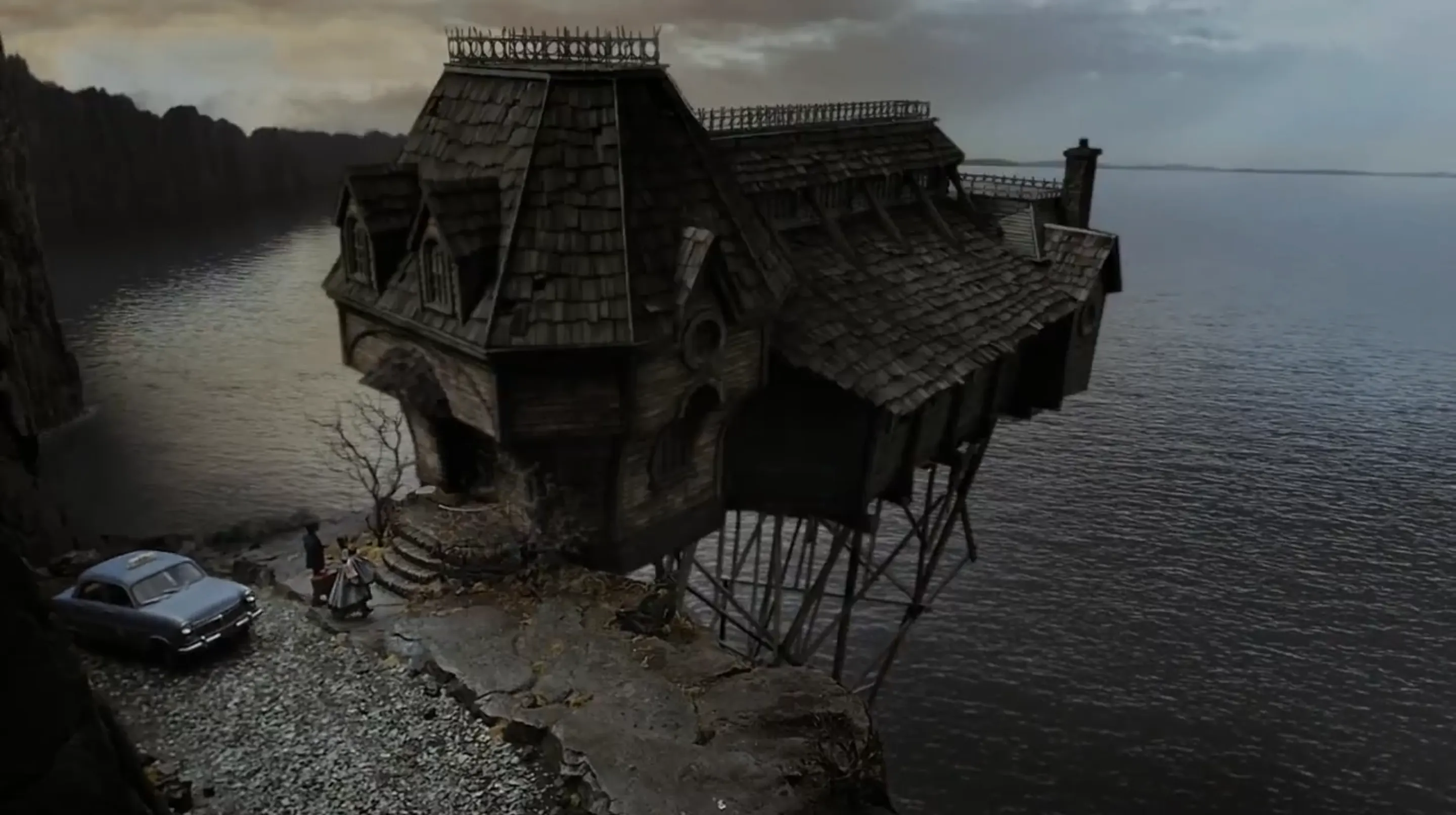
Count Olaf is the main antagonist of A Series of Unfortunate Events. He was a criminal mastermind and serial killer, serving as the archenemy to the Baudelaire children. Obsessed with obtaining the Baudelaire fortune, he became the adoptive father of Violet, Klaus, and Sunny after their parents died in a mysterious fire. It is unclear whether he was involved in starting the fire, but his actions suggest a sinister connection.

The Obsession with Wealth

Olaf was greedy and he was obsessed with the Baudelaires' inheritance. He was a stalker who followed them to their new homes, and even killed most of their guardians. He claims money is the most important substance on earth, apart from applause and lip balm. This opinion may have been the result of him growing up in a society where money is everything, as the saying goes: "Money makes the world go around".

A Life Shaped by Misfortune

Later, it is revealed that Olaf was also an orphan. The misfortunes he endured throughout his life transformed him into a grotesque figure, a cruel villain driven by a desire for revenge against those he believed had wronged him. At one point, he reflects on the immense suffering and pain he has experienced, describing it as "A great deal of suffering and pain and then a long fall to rock bottom". This outlook paints him as an extremely cynical and jaded realist who has fully embraced the belief that life is inherently unfair. His behavior and mentality likely stem from repeatedly feeling wronged throughout his life. For instance, he was expelled from school for poor performance in gym class, which not only crushed his dream of becoming a famous actor but also severely limited his future job prospects and opportunities.

A Master of Deception

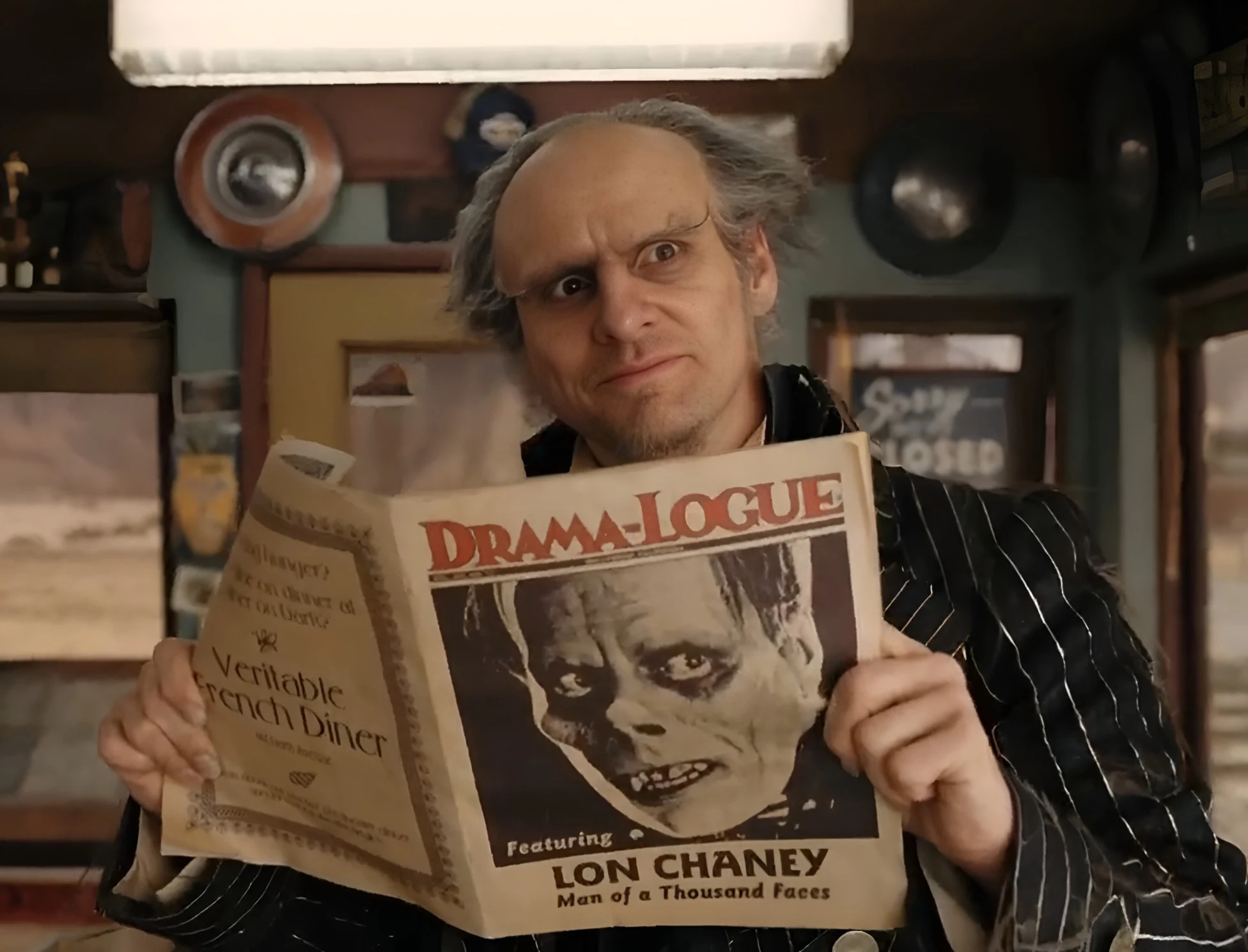
Olaf is shown to be rather intelligent. He uses his acting skills to great effect and is a master of disguise, often employing various costumes in his schemes. His disguises are typically simple, often only covering his distinctive eyebrow and tattoo, yet they are enough to fool most people. The Baudelaires, however, can see through his tricks, recognizing other traits like his wheezy voice and shiny eyes. Despite their warnings, others rarely notice these details and seldom believe the children's claims about his true identity.

Ruthless and Violent Nature

As the main villain of the series, Olaf is violent and terrifying. He is a psychopath/sociopath involved with murder, kidnapping and arson. His eyes tend to become shiny the angrier he becomes and he is prone to rage when he loses his temper.

Disdain for Society and Rules

Olaf seems to be a misanthrope who has stopped caring about human society, which could explain why he is unhygienic as he seems to have stopped caring about what other people think of him or appealing to the standards of others. He claimed he's not the only one in the world who runs around with their secrets and their schemes to outwit others and that "Everyone" else is guilty of it, implying he views humanity constantly trying to control and manipulate others for their desires. He also called himself a "Rebel" in school, likely due to his annoyance at all the rules set by those in power in society.

Cruelty and Abuse

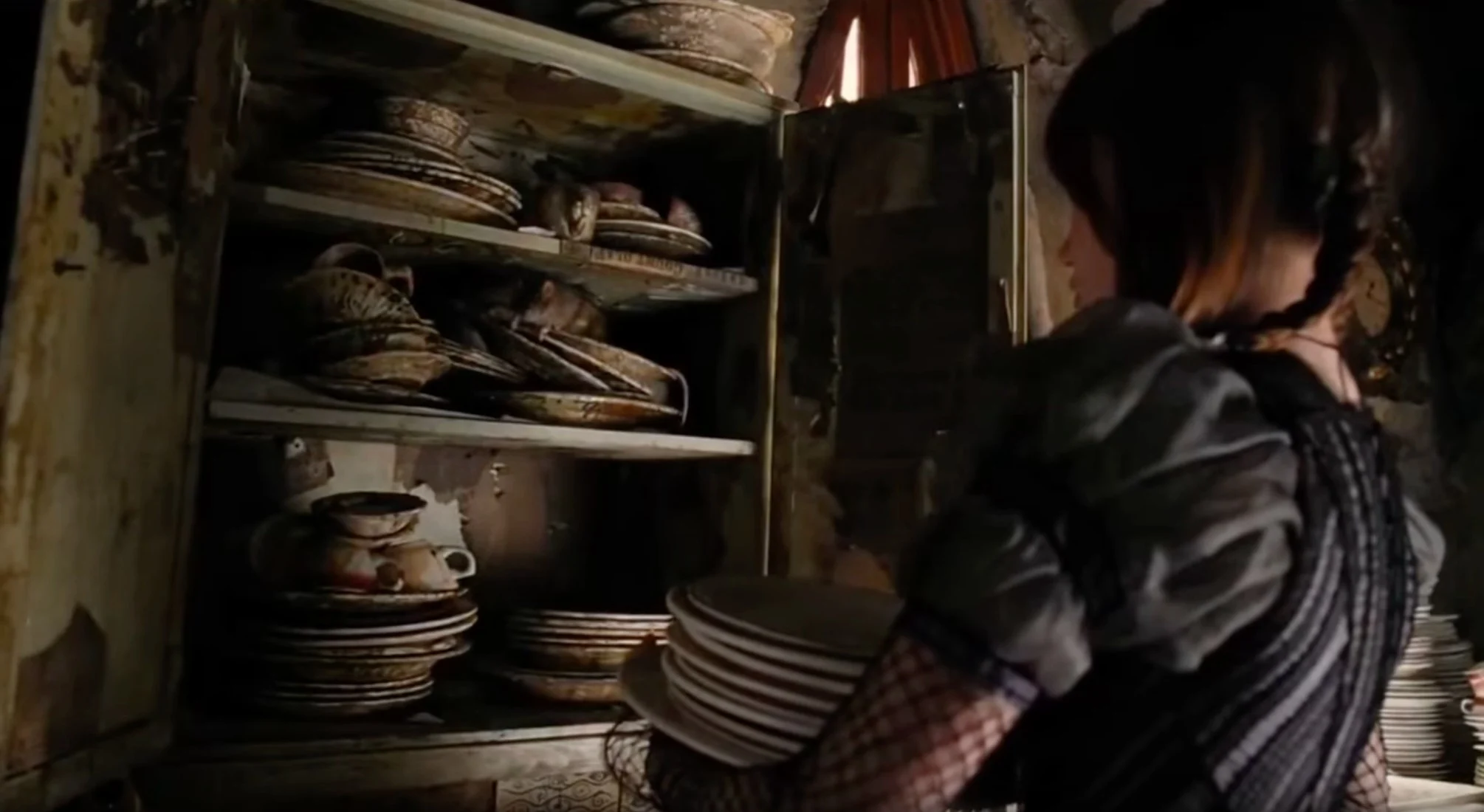
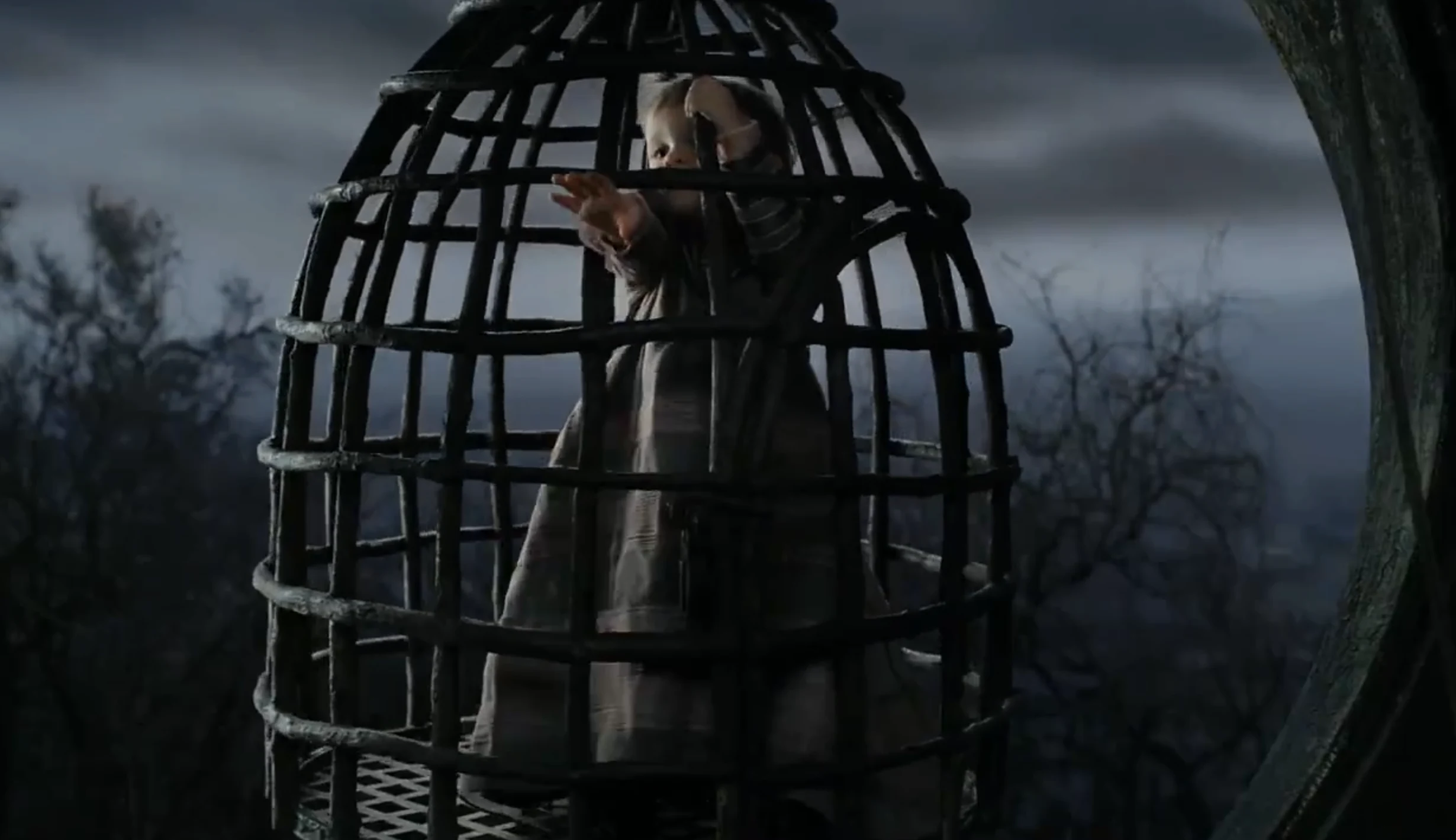
Count Olaf abused the Baudelaire children in numerous ways. He mocked them by calling them "Orphans" and "Brats" and once gave them a pile of rocks as toys. He slapped Klaus for backtalk and locked the children in their bedroom, forcing them to sleep on a single bed. He treated them like slaves and trapped Sunny in a birdcage, hanging her from a tower while threatening to drop her. Additionally, he repeatedly threatened the orphans, their relatives, and their friends with death and violence.

Signs of Mental Instability

When viewed as a whole, Count Olaf can be seen as mentally unstable. In addition to displaying traits of sociopathy and psychopathy, he is highly narcissistic. He often praises and congratulates himself and claims to be the "World's Greatest Actor". This behavior suggests he may have narcissistic personality disorder, possibly as a way to cope with deep feelings of worthlessness.

Dive Deeper into the Baudelaires' World

If you're intrigued by the story of the Baudelaire orphans and their relentless struggles against Count Olaf, there's much more to explore. Discover the full tale of mystery, tragedy, and resilience in Lemony Snicket's A Series of Unfortunate Events. You can delve into the original book series, which spans 13 novels filled with dark humor and clever storytelling, or watch the movie adaptation for a cinematic take on their journey. For an even deeper dive, check out the Netflix TV series, which expands on the books with rich character development and stunning visuals.

Ready to discover?

Join thousands of users who have already found their next favorite story on Watchers.

Explore Now